

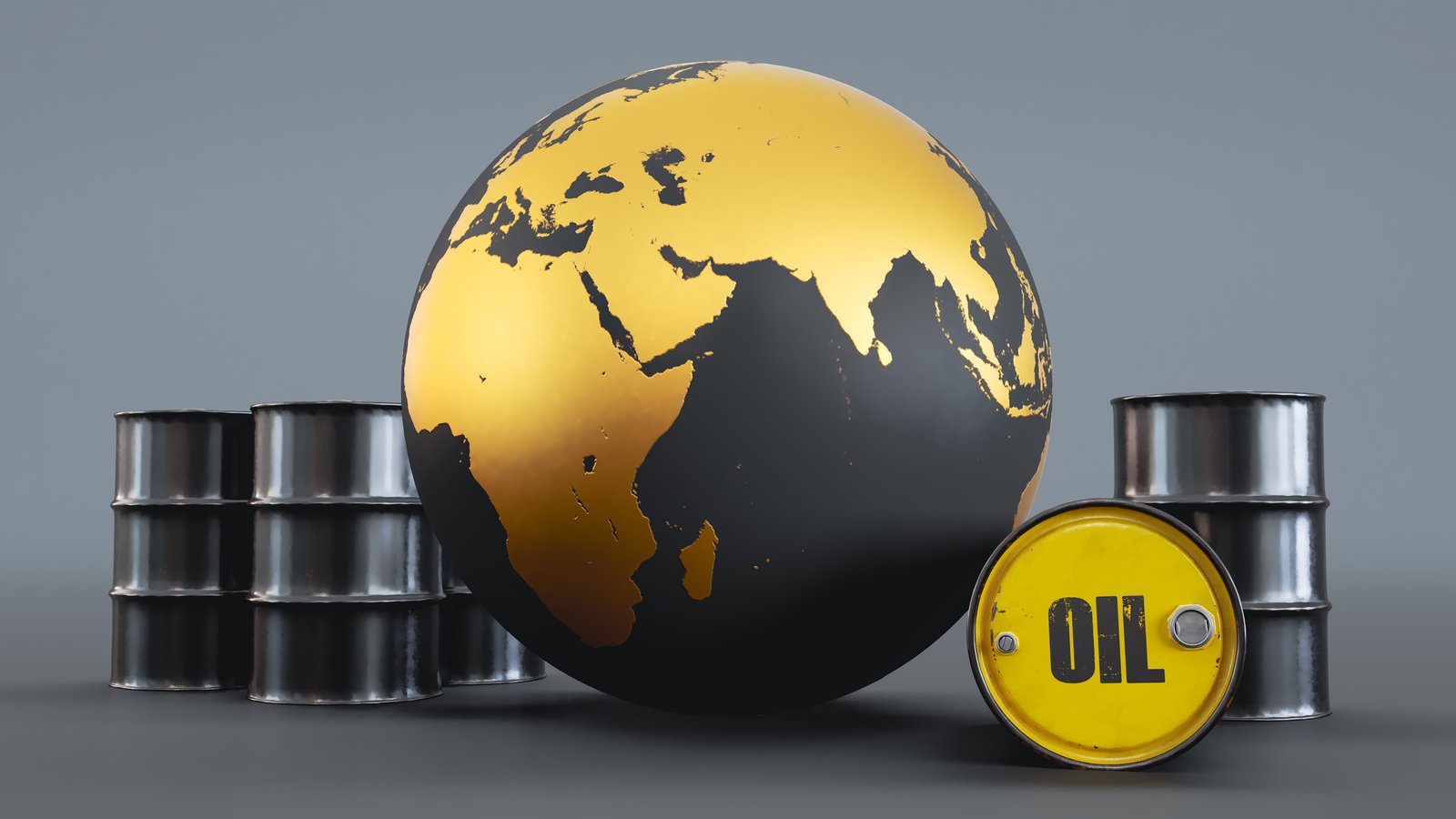
CRUDE OIL
Crude oil is a naturally occurring, unrefined petroleum product formed over millions of years from the remains of ancient plants and marine organisms. Through heat, pressure, and geological processes, these organic materials transform into a complex mixture of hydrocarbons. Crude oil is the world’s most important energy resource and the primary raw material for fuels, petrochemicals, plastics, and thousands of industrial products.

GASOLINE
Gasoline—also known as petrol—is a highly refined, flammable liquid fuel primarily used in spark-ignition internal combustion engines. It is produced by refining crude oil through processes such as distillation, catalytic cracking, and blending. Modern gasoline contains additives that enhance performance, reduce engine knocking, and lower emissions. Gasoline remains one of the most widely used energy sources across the automotive, industrial, and transport sectors due to its high energy density and clean combustion characteristics

DIESEL
Diesel is a refined petroleum fuel used to power compression-ignition engines. It is produced through fractional distillation of crude oil and is known for its high energy density, excellent fuel efficiency, and strong performance in heavy-duty applications. Diesel powers a wide range of sectors, including transportation, construction, agriculture, manufacturing, generators, and industrial machinery.

KEROSENE
Kerosene (also known as paraffin oil) is a clear, flammable hydrocarbon liquid distilled from crude oil. It is widely used as a fuel for heating, lighting, cooking, and in various industrial operations. Known for its clean-burning nature and high efficiency, kerosene remains one of the most reliable energy sources across residential, commercial, and industrial sectors.

HYDROGEN
Hydrogen (H₂) is the lightest and most abundant element in the universe, known for its high energy content and clean-burning nature. It is colourless, odourless, non-toxic and highly reactive. Hydrogen is widely used across industries such as chemicals, fuel processing, power generation, metallurgy, pharmaceuticals and more—making it one of the most essential industrial gases in modern applications.
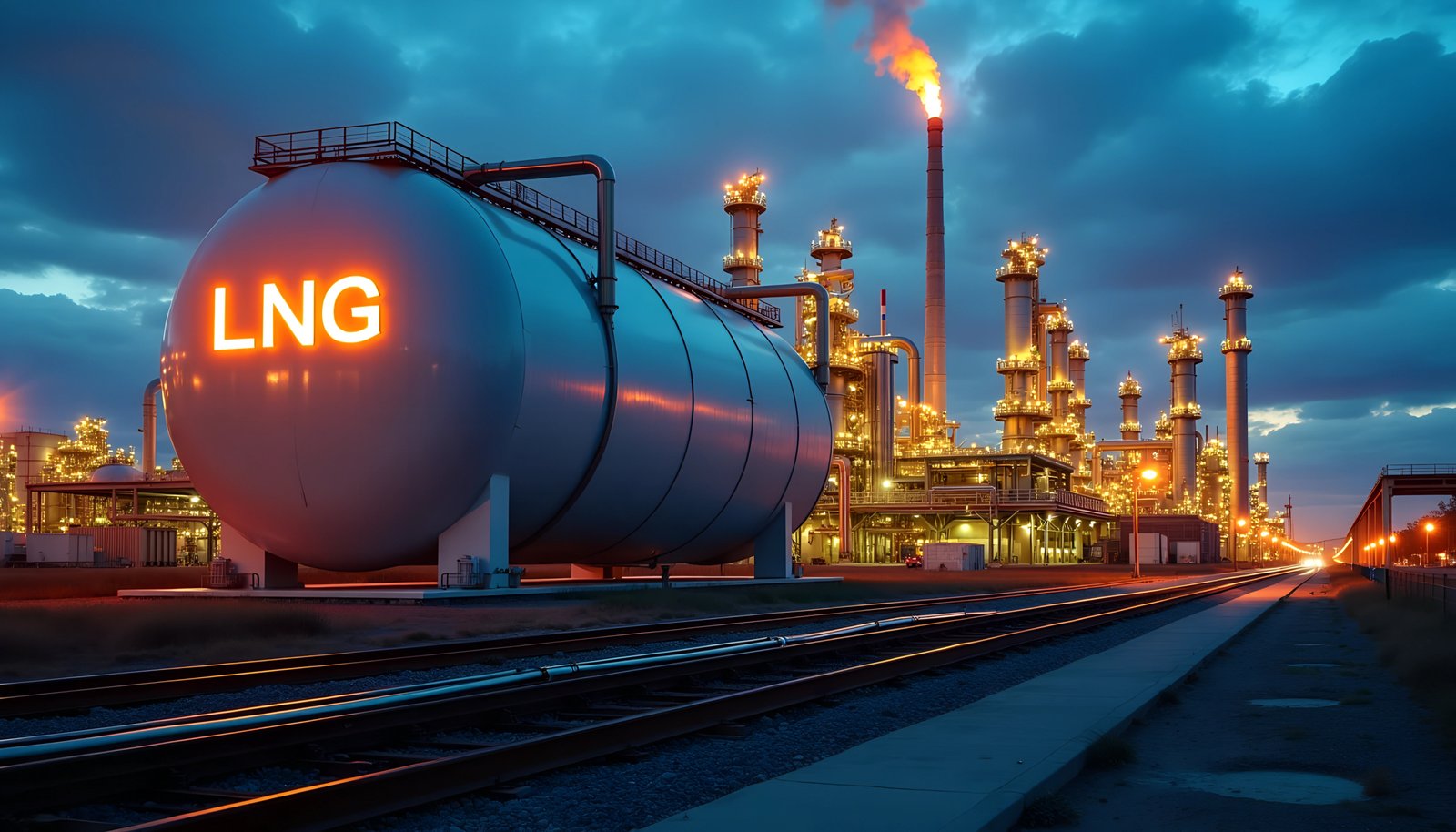
Liquefied Natural Gas (LNG)
Liquefied Natural Gas (LNG) is natural gas cooled to -162°C, transforming it from a gaseous to a liquid state. This process reduces its volume by up to 600 times, making it easier and more economical to store, transport, and distribute—especially to regions without pipeline infrastructure. LNG is colourless, odourless, non-toxic, and non-corrosive, making it one of the cleanest and safest fossil fuels for industrial and commercial use.

Compressed Natural Gas(CNG)
Compressed Natural Gas (CNG) is a clean, eco-friendly, and cost-effective fuel made from natural gas that is compressed to less than 1% of its normal volume. It is primarily composed of methane and is widely used as an alternative to traditional fuels like petrol and diesel. Known for its high efficiency and low emissions, CNG has become a preferred fuel choice in the transportation, industrial, and commercial sectors. With increasing global focus on energy sustainability and cost savings, CNG continues to play a major role in modern fuel solutions, supporting both economic and environmental goals.
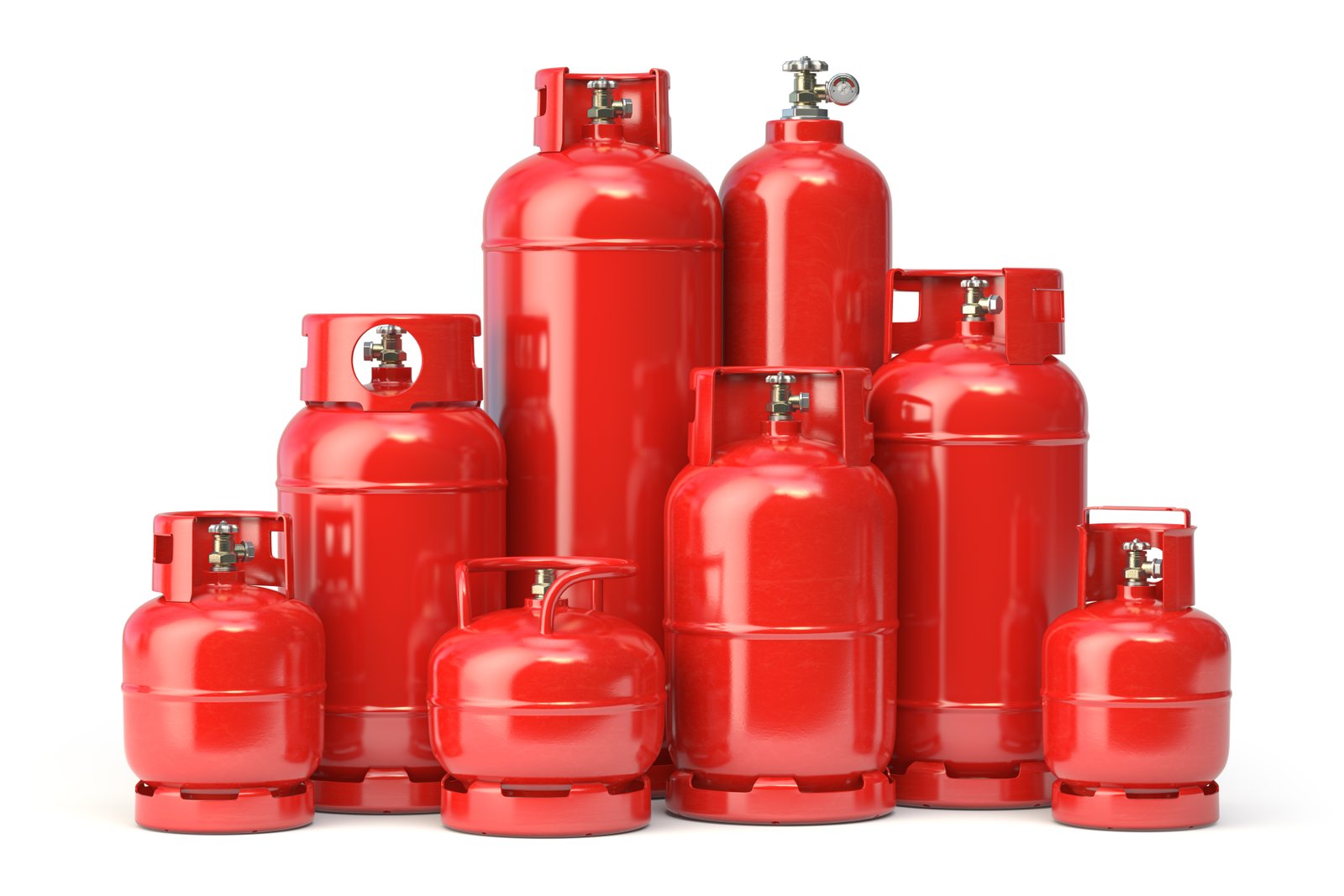
Liquefied Petroleum Gas (LPG)
Liquefied Petroleum Gas (LPG) is a clean-burning, high-efficiency fuel primarily composed of propane (C₃H₈) and butane (C₄H₁₀). It is produced during the refining of crude oil and the processing of natural gas. LPG is stored in liquid form under moderate pressure and vaporises instantly when released. Due to its high calorific value, portability, and low emissions, LPG is used extensively in domestic, commercial, industrial, and automotive sectors.

BITUMEN
Bitumen is a black, highly viscous, sticky hydrocarbon material obtained from the distillation of crude oil. It is widely used as a binding and waterproofing agent in road construction, roofing, and industrial applications. Due to its excellent adhesive and weather-resistant properties, bitumen plays a vital role in building durable infrastructure.

NAPHTHA
UNaphtha is a highly versatile, flammable, and widely used hydrocarbon mixture derived from the distillation of crude oil or natural gas condensates. It serves as one of the most important intermediate feedstocks in the petrochemical and refining industries. Known for its excellent volatility and clean-burning properties, naphtha plays a crucial role in producing fuels, chemicals, plastics, and various industrial products.

LUBRICANT OIL
Lubricant Oil, commonly known as lube oil, is a specially formulated fluid used to reduce friction, wear, and heat generation between moving mechanical parts. It forms a thin protective film that ensures smooth operation, increases machinery life, and improves overall performance. Lubricant oils are essential in industrial machinery, automotive engines, construction equipment, marine systems, and numerous manufacturing applications.

GREASE
Grease is a semi-solid lubricant made from a blend of base oil, thickening agents (soaps or non-soaps), and performance additives. It is designed to stay in place, reduce friction, protect surfaces from wear, and provide long-lasting lubrication in machinery and equipment where liquid lubricants cannot be used. Grease remains stable under pressure and temperature changes, making it essential for industrial, automotive, and construction applications.

PETROLEUM WAX
Petroleum wax, commonly known as Paraffin Wax or Microcrystalline Wax, is a high-purity hydrocarbon product derived during the refining of crude oil. It is obtained from lubricating oil fractions, then treated, refined, and solidified into different forms. Due to its excellent purity, stability, water-resistance, and moldability, petroleum wax is widely used across candle manufacturing, packaging, cosmetics, pharmaceuticals, food applications, and industrial processes.

COAL
Coal is a naturally occurring, combustible black or brownish-black sedimentary rock formed over millions of years from plant materials subjected to heat and pressure. It is one of the world’s most widely used fossil fuels, known for its high energy content and reliability in industrial operations. Coal is mainly composed of carbon, along with hydrogen, sulfur, oxygen, nitrogen, and various minerals. Depending on its carbon content and calorific value, coal is classified into different types such as Anthracite, Bituminous, Sub-bituminous, and Lignite.